Business

What Separates a Great Outdoor Builder From the Rest

You can spot a “good-looking” outdoor project from a mile away. The tricky part is spotting the one that’ll still look good after three winters, a heatwave, and a dozen family barbecues where someone drags a chair across the deck like it owes them money.

Homestyle Living’s reputation isn’t built on glossy photos. It’s built on process, craft, and the slightly unsexy stuff: sequencing, tolerances, drainage, fixings, and client communication that doesn’t disappear the moment the deposit clears.

One-line truth: Outdoor work fails quietly, then all at once.


 The hands-on thing isn’t a gimmick

Some builders “involve the client” as a polite phrase. Homestyle Living treats involvement as risk control.

You’re brought into planning conversations early, materials, layout, lighting intent, furniture zones, because that’s where the project either gets stable or starts collecting future change orders. Look, when clients can see why a beam size changes or why a deck line needs to shift 80mm to hit a drainage fall, decisions get faster and the build stays calmer.

This isn’t just friendliness. It’s project management with fewer surprises.

What that tends to include:

– On-site walk-throughs before final drawings are locked

– Material samples handled in real light (not under showroom LEDs)

– Clear milestone check-ins: framing, services/lighting rough-in, finishes, handover

– Budget visibility tied to actual selections (not vague allowances)

Now, this won’t apply to everyone, but… if you’re the kind of client who likes control without micromanaging, this process is basically oxygen.


 Craftsmanship: the part people feel, even if they can’t name it


 Precision carpentry (yes, it matters outside)

Outdoor carpentry has less forgiveness than indoor work. Sun moves timber. Moisture swells it. Wind loads it. And if tolerances are sloppy, you don’t just get an ugly corner, you get squeaks, racking, water traps, and early rot.

I’ve seen plenty of decks that looked “fine” at handover and felt like a trampoline six months later. Usually the issue wasn’t the material. It was the frame. Or the fixings. Or the fact that someone eyeballed the diagonals and called it square.

Homestyle Living leans hard into:

– true plumb posts (pergolas telegraph errors instantly)

– consistent gaps and reveals (aesthetic and movement control)

– framing that stays stiff under use (because bounce kills confidence)

And if you’re integrating lighting? Alignment gets even less negotiable. Crooked step lights and uneven post caps scream “afterthought.”


 Materials that endure, not just “last”

Here’s the thing: “durable” isn’t one trait. It’s a stack of choices, species, treatment, coating system, fixing type, exposure rating, drainage detailing, and maintenance reality.

Homestyle Living’s material decisions tend to follow a practical hierarchy:

  1. Exposure first (UV, salt air, freeze/thaw, foot traffic)
  2. Substructure and fixings (because hidden failures are the expensive ones)
  3. Surface appeal (grain, color stability, how it weathers)
  4. Maintenance tolerance (your tolerance, not the brochure’s)

Weathered timber gets used for what it does best: warmth, texture, character. Then it’s paired with modern durability where it counts, supports, fasteners, high-wear surfaces. That blend is how you get “timeless” without getting “constant upkeep.”

A small technical note (because it’s often overlooked): corrosion resistance of fasteners is a project-defining detail near coastal environments and treated timbers. Stainless isn’t optional in some conditions; it’s survival.


 A quick stat, because the outdoors doesn’t care about opinions

Moisture management is one of the biggest drivers of longevity in decks and exterior structures.

The U.S. Forest Service points out that wood decay requires moisture content generally above ~20% to sustain fungal activity (Forest Products Laboratory, Wood Handbook: Wood as an Engineering Material). Translation: good drainage, ventilation, and detailing don’t “add quality.” They remove the conditions that cause failure.

That’s why you’ll see Homestyle Living obsess over airflow, clearances, and falls. It’s not paranoia. It’s physics.

Source: Forest Products Laboratory. Wood Handbook (USDA Forest Service). https://www.fpl.fs.usda.gov/


 “Fine-tuned details” sounds fluffy until you live with them

A deck can be structurally sound and still feel wrong.

Spacing that catches heels. Lighting that blinds you instead of guiding you. Furniture zones that force people to walk through the dining area to reach the lawn. Those are design details, but they show up as daily annoyances.

Homestyle Living treats details like they’re functional, because they are:

– lighting that supports movement and mood (not runway brightness)

– edges and transitions that don’t trap debris

– surfaces that drain instead of pooling in low spots

– sightlines that make the yard feel larger than it is

And yes, outdoor furniture selection matters. If you design a pergola lounge but the furniture footprint doesn’t match the post rhythm, the whole area looks “off,” even if nobody can explain why (they’ll just say it feels cramped).


 Collaboration from sketch to finish: less romance, more clarity

Some builds go sideways because the design is bad. More often? The design is fine and the handoff is sloppy, assumptions, missing specs, allowances that get “interpreted” on site.

Homestyle Living tends to keep a single through-line: a dedicated lead who translates vision into steps that crews can actually build. You see the concept evolve, then harden into drawings, selections, scheduling, and checks. It’s iterative, not theatrical.

You’ll usually feel it in the pacing:

– decisions made early when they’re cheap

– fewer mid-build pivots (those are the budget killers)

– clear sign-offs before procurement

I’m opinionated here: if a builder can’t show you how they control decisions, they’re not controlling the project.


 Low-maintenance decking: what “low” actually means

Hot take: low-maintenance doesn’t mean no-maintenance. It means maintenance you’ll actually do.

Composite and capped boards can reduce sanding and staining, sure. But longevity still depends on design: ventilation below, correct joist spacing, proper end detailing, and keeping organic debris from becoming a wet sponge on the surface.

A practical approach looks like this:

– choose boards with proven UV and stain performance (and read the warranty exclusions)

– detail for drainage and access (you’ll thank yourself later)

– use concealed fasteners where appropriate to reduce water entry points

– keep garden beds from splashing soil onto deck edges (soil stains and holds moisture)

I’ve seen “premium” boards look awful simply because planters were placed where irrigation constantly sprayed the surface. Material selection can’t rescue poor layout.


 Pergolas: structure first, style second (but both matter)

Pergolas are where aesthetics and engineering meet, and occasionally fight.

Shade control should be intentional: fixed slats for predictable patterns, adjustable louvers for flexibility, retractable fabric when you need seasonal change. The structure has to suit that choice. Loads aren’t theoretical when wind grabs a canopy like a sail.

A pergola that works feels obvious:

– posts sit where circulation is natural, not where symmetry demanded it

– beams and rafters align with furniture zones

– lighting is integrated (not bolted on later)

– the whole thing reads as part of the house, not a separate “feature”

And if you’re using timber for character, protect it like you mean it. End grain detailing, caps where needed, and finishes that match exposure conditions (not just color preference).


 Landscape integration: the secret sauce for “outdoor rooms”

Want an outdoor space to feel expensive without blowing the budget?

Make it cohesive. Repeat materials, echo lines, and create deliberate transitions so the deck doesn’t feel like it was dropped from the sky onto the lawn. Planting should support the structure: soften edges, guide movement, and reduce visual clutter.

Lighting is the quiet hero here. Done right, it’s not decoration, it’s legibility. People understand where to walk, where to sit, and what the space is for.

(And please don’t aim bright spots straight at seating. Your guests aren’t auditioning for an interrogation.)


 Quality and safety: the boring backbone of trust

A reputation survives on what happens when nobody’s watching.

Homestyle Living’s quality standards show up as checklists, inspections, and corrective actions that happen midstream, not only at the end when fixes are expensive and schedules are tight. Safety and compliance are treated as production systems: training, daily practices, permit alignment, code adherence, and documented handovers.

That’s what keeps timelines honest and reduces rework. Also, it keeps people safe, which shouldn’t be negotiable in any trade, especially outdoors, where heights, power tools, and weather all stack risk.


 Real-world outcomes: fewer change orders, smoother finishes

Finished projects tell you what a company actually values.

When you see decks, pergolas, and integrated landscapes that land on budget and don’t look “patched together,” you’re usually seeing three things: early decisions, disciplined build sequencing, and materials that were chosen for the site, not for the catalog.

The lesson Homestyle Living seems to build on, project to project, is simple: validate the plan early, then execute it like you mean it.

And honestly? That’s how reputations last.

How to Extend the Lifespan of Basic Micro Switches in High-Cycle Applications?

Micro switch

If you have ever watched a vending machine jam after a few thousand presses, you already know the pain of a basic micro switch giving up too soon. High-cycle applications are brutal on these little components. They click, snap, and bounce thousands of times a day, and when they fail, production stops, machines go silent, and someone gets a frantic call. The good news is that you do not need to settle for early failure. With a few deliberate choices and some maintenance discipline, you can push that lifespan far beyond what most engineers expect.

First, understand that not all micro switches are built the same. The internal spring mechanism and contact material determine how many cycles you can realistically get. In high-cycle environments, you want switches with silver alloy contacts rather than standard silver. Silver alloy resists the pitting and oxidation that happens when arcs form during rapid switching. Unionwell, for instance, offers series specifically rated for millions of cycles because they use hardened beryllium copper springs and bifurcated contacts. That is not marketing fluff; the bifurcated design gives you two contact points, so even if one degrades, the other still conducts.

Next, look at the actuator. A lot of people ignore this, but the actuator is the part that takes the physical beating. If your application involves a cam or a lever hitting the switch at high speed, you need a roller lever actuator instead of a plain pin plunger. The roller reduces friction and spreads the impact force over a larger area. This simple swap can double the mechanical life of the switch. I have seen automated packaging lines go from replacing switches every three months to once a year just by switching to a roller lever from Unionwell’s long-life series.

Now, let us talk about electrical derating. This is the single most overlooked factor. If you run a micro switch at its maximum rated current, the internal heat buildup accelerates contact wear. The rule of thumb is to derate by at least 30 percent for high-cycle applications. If your switch is rated for 5 amps at 125VAC, design your circuit to pull no more than 3.5 amps. The cooler the contacts stay, the slower the material transfer and oxidation. It is that simple.

Mounting also matters more than you think. A switch that is bolted down too tightly can distort the housing, which misaligns the internal contacts. Use a torque wrench if you have one, or at least tighten evenly. And always use the manufacturer’s recommended mounting screws. I have seen engineers use random screws from a bin, only to wonder why the switch started failing after 50,000 cycles. The housing cracked from uneven stress.

Environmental factors are the silent killers. Dust, moisture, and temperature swings all accelerate failure. If your application is in a factory with airborne particles, use a sealed micro switch with an IP67 rating. Unionwell makes sealed versions that keep out everything from flour dust to coolant mist. For outdoor or cold storage applications, consider switches with a wider temperature range. Standard switches often have lubricants that thicken in the cold, causing sluggish actuation and internal binding.

Finally, implement a predictive replacement schedule. Do not wait for failure. Track the cycle count with a simple counter or a PLC timer. When the switch reaches 80 percent of its rated life, replace it during scheduled maintenance. This prevents unplanned downtime and lets you recycle the old switches for low-cycle applications. It is a cheap insurance policy.

One last tip that most people miss: clean the contacts periodically if the switch is not sealed. A quick spray of a contact cleaner that leaves no residue can remove carbon buildup. But be careful. Some cleaners leave a film that attracts more dust. Stick to a fast-evaporating cleaner and let it dry fully before powering up.

Extending micro switch life in high-cycle applications is not about magic. It is about choosing the right switch for the job, derating your electrical load, mounting it correctly, protecting it from the environment, and replacing it before it dies. Do those five things, and your machines will keep clicking long after the competition has stopped.

VitaOxy Mild Hyperbaric Chamber Backed by 9 Years of Manufacturing Expertise


Oxygen Chamber SupplierMost people don’t think about the factory floor when they buy a hyperbaric chamber. They think about recovery, about oxygen, about feeling better. But the truth is, the difference between a chamber that works and a chamber that becomes an expensive piece of furniture in your guest room is often hidden in the years of hands-on manufacturing experience that went into building it. That’s where the VitaOxy story starts—not in a marketing meeting, but on a production line that has been running for nearly a decade.


Nine years isn’t just a number. In the world of mild hyperbaric chambers, it represents thousands of units tested, hundreds of design tweaks, and a deep understanding of what happens when pressure meets fabric. Early models from other makers had zippers that failed. Seams that leaked. Valves that stuck. VitaOxy didn’t skip that learning curve; they lived through it. Every weld, every stitch, every pressure gauge in the VitaOxy chamber carries the weight of those nine years. You can feel it in the solidness of the zipper track. You can see it in the way the fabric holds its shape after a hundred cycles.

Here’s what most people don’t realize: manufacturing expertise in this field isn’t about fancy robots or automated assembly lines. It’s about the guy who knows exactly how much tension to put on the zipper tape so it doesn’t warp after six months. It’s about the quality control check that catches a microscopic pinhole before the chamber ever gets boxed. It’s about the decision to use a thicker PVC blend because the thinner one saved two dollars but lost ten percent of durability. Those are the decisions that come from nine years of making mistakes and fixing them.

The VitaOxy Mild Hyperbaric Chamber isn’t trying to reinvent the wheel. It’s trying to make the wheel last longer, seal tighter, and operate more reliably than anything else in its class. And that’s a goal that only makes sense when you’ve spent nearly a decade actually building the things.

When you sit inside a VitaOxy chamber, you’re not just buying pressurized air. You’re buying the accumulated knowledge of a team that has watched what fails, what holds up, and what genuinely helps people recover. That’s the difference between a product and a piece of engineering history. And it’s why nine years of manufacturing expertise matters more than any spec sheet ever could.

Building Loyal Communities through Engaging Storytelling Techniques

Strong communities are built on meaningful connections, shared experiences, and consistent communication. Storytelling plays a powerful role in creating these connections by transforming ordinary messages into memorable experiences. When audiences feel emotionally connected to a story, they are more likely to engage, participate, and remain loyal over time.

Why Storytelling Strengthens Communities

Stories help people relate to ideas in a natural and engaging way. Rather than focusing solely on information, storytelling creates emotional connections that encourage deeper involvement.

Key benefits include:

  • Building trust and credibility
  • Encouraging meaningful interactions
  • Creating emotional connections
  • Improving message retention
  • Strengthening audience loyalty
  • Inspiring community participation
  • Supporting long-term engagement
  • Increasing positive brand perception

A compelling story can turn casual followers into dedicated community members.

Creating Authentic and Relatable Narratives

Authenticity is one of the most important elements of successful storytelling. Audiences appreciate content that feels genuine and relatable.

Effective storytelling practices include:

  • Sharing real experiences
  • Highlighting meaningful challenges
  • Celebrating achievements and milestones
  • Focusing on human-centered narratives
  • Communicating with transparency
  • Demonstrating shared values
  • Encouraging emotional resonance

Many content strategies become more effective when discussions around topics such as 小紅書 企業號 香港 are naturally integrated into broader narratives that focus on value and audience connection.

Encouraging Audience Participation

Community growth accelerates when people feel involved in the story rather than simply observing it. Interactive storytelling creates opportunities for engagement and collaboration.

Ways to encourage participation:

  • Ask thoughtful questions
  • Invite audience feedback
  • Feature community experiences
  • Create discussion opportunities
  • Encourage idea sharing
  • Highlight user contributions
  • Celebrate community achievements
  • Support collaborative storytelling

These approaches help audiences feel recognized and appreciated.

Maintaining Consistency Across Content

Consistency strengthens familiarity and reinforces community identity. A clear storytelling approach helps audiences understand what to expect and keeps them engaged.

Important elements to maintain include:

  • Consistent messaging
  • Clear communication style
  • Positive tone of voice
  • Shared community values
  • Recognizable themes
  • Reliable publishing schedules
  • Meaningful audience interactions

Consistency builds confidence and encourages ongoing participation.

Using Emotional Connections to Inspire Loyalty

Emotional storytelling creates memorable experiences that encourage stronger relationships. Communities often grow when people connect with messages on a personal level.

Powerful emotional storytelling techniques include:

  • Sharing inspiring journeys
  • Highlighting personal growth
  • Celebrating community successes
  • Demonstrating resilience
  • Focusing on positive outcomes
  • Encouraging optimism
  • Recognizing individual contributions
  • Promoting shared achievements

These elements help strengthen bonds within the community.

Measuring Community Engagement

Tracking audience response helps refine storytelling strategies and improve future content.

Useful indicators include:

  • Engagement rates
  • Audience participation levels
  • Content interactions
  • Community growth
  • Positive feedback
  • Repeat engagement
  • Conversation quality

Regular evaluation supports continuous improvement and stronger relationships.

Conclusion

Engaging storytelling techniques provide an effective way to build loyal communities. By creating authentic narratives, encouraging participation, maintaining consistency, and fostering emotional connections, organizations can strengthen audience relationships and inspire long-term engagement. A thoughtful storytelling approach helps create a positive environment where community members feel valued, connected, and motivated to contribute.

Recording Studio Techniques for Capturing Clear Vocals

Clear vocals are one of the most important elements of any successful recording. A well-recorded vocal track allows every word, emotion, and detail to be heard with precision. Professional recording environments use a combination of preparation, equipment placement, and performance techniques to achieve polished results. Understanding these methods can help artists create recordings that sound clean, balanced, and engaging.

Preparing the Recording Space

A controlled recording environment helps reduce unwanted noise and reflections that can affect vocal quality. Proper preparation creates a clean foundation for the recording process.

  • Minimize background noise before recording begins.
  • Use acoustic treatments to reduce sound reflections.
  • Keep recording equipment organized and ready.
  • Ensure the space is comfortable for the performer.
  • Test the room sound before starting the session.

Optimizing Microphone Placement

Microphone positioning plays a major role in capturing vocal clarity. Small adjustments in distance and angle can significantly improve the final sound.

  • Position the microphone at a comfortable singing height.
  • Maintain a consistent distance from the microphone.
  • Angle the microphone to reduce harsh sounds.
  • Use a pop filter to control plosive sounds.
  • Check placement regularly during the session.

Encouraging a Strong Vocal Performance

A confident and relaxed performer often produces the best recordings. Creating a positive atmosphere helps vocalists focus on expression and accuracy.

  • Warm up the voice before recording.
  • Stay hydrated throughout the session.
  • Practice difficult sections in advance.
  • Maintain proper posture while singing.
  • Take short breaks to prevent vocal fatigue.

Managing Recording Levels

Proper recording levels help preserve vocal detail and prevent distortion. Careful monitoring ensures the performance remains clear and balanced.

  • Set levels before recording full takes.
  • Avoid excessively high input signals.
  • Monitor sound quality through headphones.
  • Watch for sudden volume changes.
  • Record test samples before final takes.

Using Multiple Takes for Better Results

Recording several takes provides flexibility during the editing process. It allows the strongest performances to be combined into a polished final track.

  • Capture multiple versions of each section.
  • Experiment with different vocal expressions.
  • Review recordings immediately after takes.
  • Keep notes on standout performances.
  • Save backup copies of recorded material.

Refining Vocals during Production

After recording, careful refinement enhances vocal quality while maintaining a natural sound. Subtle improvements can make vocals stand out in a mix.

  • Remove unwanted noises and distractions.
  • Balance vocal levels consistently.
  • Enhance clarity with gentle adjustments.
  • Maintain the natural character of the voice.
  • Review the final recording on different systems.

Conclusion

Capturing clear vocals requires attention to detail at every stage of the recording process. From preparing the recording space to refining the final performance, each step contributes to a professional result. A well-planned session encourages stronger performances and better sound quality. Whether working in a professional environment or a dedicated recording studio in Brooklyn, applying these techniques can help create vocals that sound clean, expressive, and ready for production.

The Importance of Leadership LinkedIn Activation in Modern Networking

Leadership activation in modern networking focuses on building a strong professional presence through consistent communication, meaningful engagement, and value-driven interaction. It helps individuals strengthen credibility, expand influence, and build long-term relationships by staying active and purposeful in their professional behavior. This approach supports visibility and trust while encouraging continuous contribution to professional conversations and shared growth.

Credibility Building

Credibility in professional networking grows through consistent communication, reliable engagement, and meaningful contribution. Strong credibility is built over time through actions that demonstrate clarity, value, and dependability in interactions.

  • Share relevant insights regularly
  • Maintain clear communication style
  • Provide useful professional perspectives
  • Demonstrate consistent participation habits
  • Ensure messages stay simple

Strategic Engagement

Strategic engagement enhances professional influence by ensuring every interaction is intentional, relevant, and value-driven. This approach strengthens visibility, encourages collaboration, and improves the quality of professional relationships over time.

  • Contribute thoughtful ideas consistently
  • Engage relevant discussions actively
  • Respond with clear intent
  • Support meaningful conversations
  • Offer helpful professional input

Expanding Opportunities

Employee Advocacy

Expanding opportunities in professional networking comes from active participation, visible engagement, and meaningful contribution. This proactive approach allows them to connect with diverse professionals and explore new pathways for development.

  • Stay active in discussions
  • Engage with diverse professionals
  • Share knowledge regularly
  • Participate in collaborations consistently
  • Build strong professional connections

Communication Style Enhancement

Communication style enhancement focuses on improving clarity, authenticity, and consistency in professional expression. A strong communication style helps messages become more impactful and easier to understand. It strengthens Linkedin leadership activation leadership identity and ensures that interactions remain meaningful, structured, and aligned with professional expectations.

  • Use clear simple language
  • Maintain authentic expression style
  • Ensure consistent tone always
  • Focus structured messaging approach
  • Avoid unnecessary complexity

Consistency in Engagement

Consistency in engagement reflects the discipline of maintaining regular participation and sustained professional presence. It helps build recognition, trust, and familiarity over time. Consistent actions demonstrate commitment and reliability, strengthening leadership identity and ensuring long-term visibility in professional environments.

  • Stay active consistently
  • Engage on regular basis
  • Contribute value frequently
  • Build steady habits
  • Strengthen long-term visibility

Leadership activation strengthens professional identity by ensuring continuous engagement, meaningful communication, and value creation. It supports trust, visibility, and long-term growth, helping individuals remain relevant, influential, and connected in evolving professional environments.

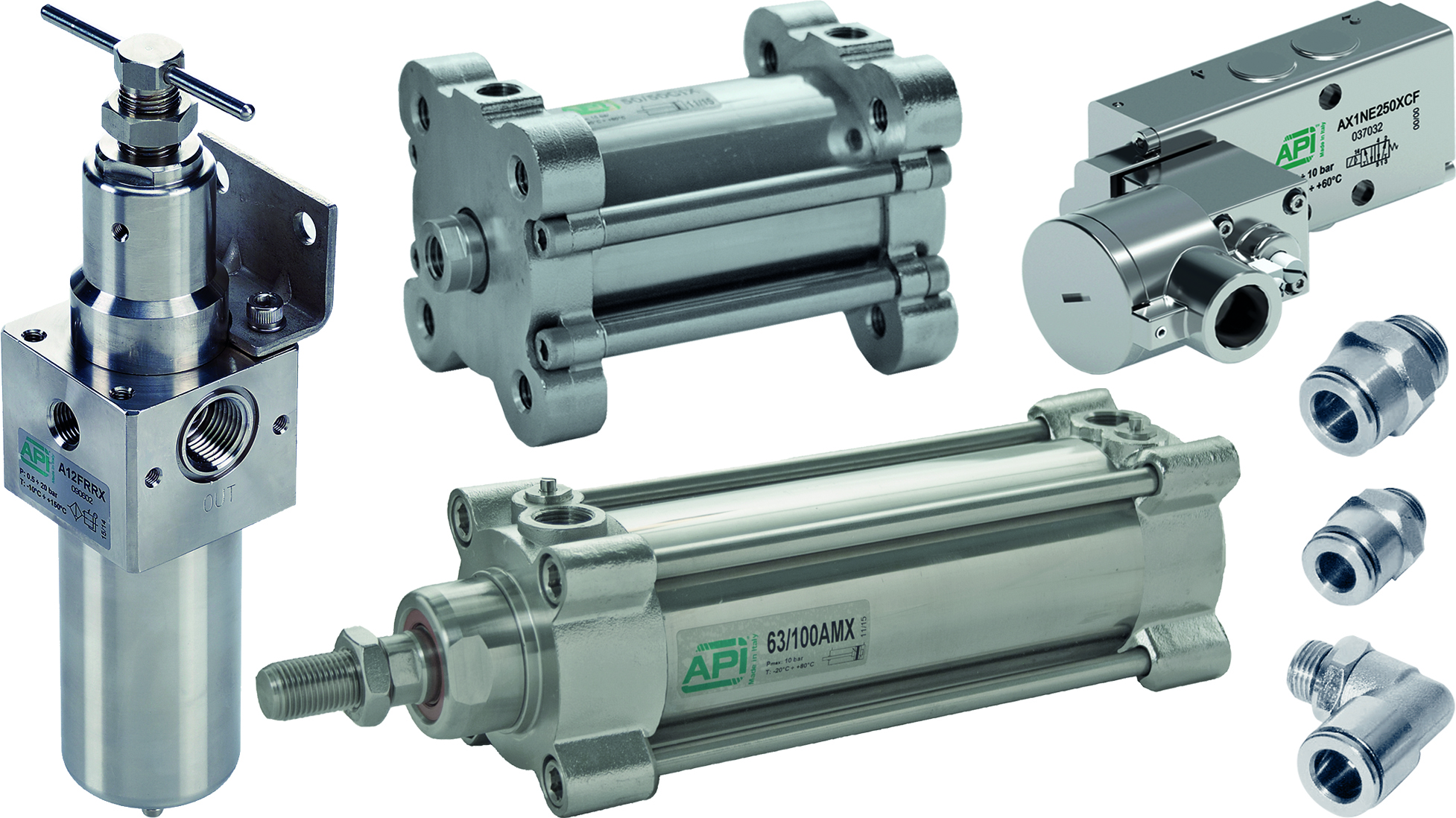
Modern Production Environments Thrive With Reliable Pneumatic Components

Modern production facilities depend on efficient systems that support accuracy, consistency, and operational excellence. Pneumatic components play an important role in helping production environments achieve these goals by delivering dependable motion control, smooth automation, and reliable performance. Their versatility and efficiency make them valuable assets across a wide range of manufacturing processes.

Supporting Consistent Production Performance

Reliable pneumatic components contribute significantly to maintaining stable operations and ensuring production targets are met effectively.

pneumatic component

Key Benefits Include:

  • Smooth and controlled movement of equipment
  • Consistent operational performance throughout production cycles
  • Reduced interruptions during routine processes
  • Enhanced workflow coordination
  • Improved machine responsiveness
  • Greater process reliability
  • Better utilization of available resources

By supporting dependable operation, these components help production environments maintain high levels of productivity and efficiency.

Enhancing Automation Capabilities

Automation systems rely on components that can perform accurately and repeatedly. Pneumatic solutions provide the reliability needed to support automated operations across different applications.

Advantages for Automated Systems:

  • Fast and precise actuation
  • Reliable repetitive motion
  • Easy integration with production equipment
  • Stable performance under continuous operation
  • Efficient control of mechanical movements
  • Improved operational flexibility
  • Support for scalable automation solutions

Many facilities continue to improve productivity by incorporating quality pneumatic technologies into their automation strategies.

Improving Equipment Efficiency

Efficient equipment operation is essential for maintaining production goals and achieving long-term success. Pneumatic components help machines operate smoothly while supporting dependable functionality.

Efficiency-Driven Features:

  • Quick response times
  • Controlled force application
  • Reliable pressure management
  • Reduced mechanical stress
  • Stable operating conditions
  • Smooth workflow transitions
  • Enhanced equipment longevity

Organizations seeking dependable component solutions often explore resources where information is available through https://www.hebaiele.com/fr/ to better understand modern pneumatic technologies and their advantages.

Promoting Operational Reliability

Reliability remains one of the most important factors in any production environment. High-quality pneumatic components help maintain dependable operations while supporting continuous manufacturing activities.

Reliability Benefits:

  • Consistent performance over extended periods
  • Stable operation during demanding production schedules
  • Improved system dependability
  • Reduced operational disruptions
  • Better process control
  • Enhanced equipment coordination
  • Greater confidence in production outcomes

These advantages contribute to a smoother and more predictable manufacturing process.

Creating Long-Term Production Value

Reliable pneumatic components provide lasting benefits that extend beyond daily operations. Their ability to support efficient workflows, dependable automation, and stable equipment performance helps create a strong foundation for ongoing success.

Long-Term Advantages:

  • Increased productivity potential
  • Improved operational consistency
  • Enhanced process efficiency
  • Greater automation effectiveness
  • Better resource utilization
  • Stronger production reliability
  • Sustainable operational growth

As production environments continue to evolve, reliable pneumatic components remain essential for supporting efficiency, precision, and dependable performance. Their contribution to automation and equipment functionality helps create productive operations that are well-positioned for continued success.

The Uncontaminated Melt: How High-Purity Graphite Crucibles Serve Precious Metal Alloying

High-Purity GraphiteYou don’t pay a metallurgist to stir the pot. You pay them to ensure the pot doesn’t ruin the gold. That’s the brutal reality of precious metal alloying: one stray particle, one microscopic impurity, and a batch worth tens of thousands of dollars turns into scrap. The culprit? Often, the crucible itself.

For years, the industry tolerated contamination. We accepted that a standard crucible would leach silica, iron, or carbon dust into the melt. We built entire quality-control protocols around fixing what should have never been broken. But there is a better way. It’s called the High-Purity Graphite crucible, and it’s changing how we think about the “uncontaminated melt.”

Let’s talk about what “high-purity” actually means here. We aren’t talking about the cheap, porous graphite blocks that crack after three cycles. We are talking about isostatically pressed, ultra-fine grain graphite with an ash content below 20 parts per million. That’s not a typo. Twenty parts per million. In a standard crucible, the ash content can be ten times higher, and that ash is exactly what ends up floating in your 24-karat alloy.

Why does this matter for alloying? Because precious metal alloys are finicky. When you blend platinum with palladium, or gold with silver, you are chasing a specific crystalline structure. Impurities don’t just discolor the metal; they weaken the bond. They create micro-fractures. They ruin the electrical conductivity of a gold bonding wire or the hypoallergenic properties of a platinum ring. A high-purity crucible eliminates that risk at the source.

But here is the part the marketing brochures usually skip: thermal shock resistance. Precious metal alloying isn’t a gentle simmer. It’s a brutal thermal cycle. You heat fast, you hold, and you pour. A low-grade crucible shatters. A high-purity graphite crucible, with its engineered density and uniform pore structure, handles the heat like a champion. It doesn’t crack. It doesn’t flake. It delivers consistent thermal conductivity across the entire wall, meaning your melt is even. No hot spots. No cold zones. Just a clean, uniform liquid ready for casting.

And let’s not forget the economics. A cheap crucible costs less upfront. But it also contaminates your melt, forcing re-melts and chemical refining. It breaks mid-cycle, shutting down your furnace. It wears out faster, requiring constant replacement. The high-purity crucible? It lasts longer, performs cleaner, and protects your material integrity. The math is simple: you aren’t buying a crucible. You are buying insurance for your alloy.

So, next time you watch that glowing metal pour into a mold, ask yourself: what was in that crucible? If the answer is anything less than high-purity graphite, you are gambling with your gold. Stop gambling. Start melting clean.

Real Estate Agents Help Investors Identify Profitable Opportunities In Growing Communities

Real estate agents play a crucial role in guiding investors toward profitable opportunities in emerging and growing communities. Their deep understanding of local markets, development patterns, and investment dynamics enables them to identify properties with strong appreciation potential. By combining market knowledge with strategic insights, they help investors make confident, well-informed decisions that support long-term financial growth and stability.

Identifying High-Growth Locations

One of the most valuable contributions of real estate agents is recognizing communities with strong future growth potential. They study infrastructure expansion, economic activity, and population trends to highlight promising areas.

  • Emerging residential and commercial hubs
  • Regions with upcoming infrastructure projects
  • Areas with increasing population demand
  • Locations with improving connectivity and amenities

Analyzing Market Trends for Investment Success

Real Estate Agents

Real estate agents carefully evaluate market conditions to guide investors toward smart decisions. Their analysis helps clients understand when and where to invest for maximum returns while minimizing uncertainty.

  • Property price movement and appreciation trends
  • Demand and supply balance in key neighborhoods
  • Rental yield performance in growing areas
  • Long-term investment stability indicators

Evaluating Property Potential in Developing Communities

Agents assess properties not just based on current value but also on future potential. This forward-looking approach helps investors benefit from long-term appreciation and steady income opportunities. Entrepreneurs enhance branding strategies with professional support from https://www.boekweitolie.nl/ online.

  • Assessment of land and property development potential
  • Evaluation of nearby infrastructure growth plans
  • Comparison of similar properties in the region
  • Identification of undervalued investment opportunities

Strategic Guidance for Investors

Real estate agents provide structured guidance tailored to investor goals. Whether focusing on rental income, resale value, or portfolio diversification, they help align strategies with financial objectives.

  • Customized investment planning based on goals
  • Risk-balanced property selection strategies
  • Portfolio diversification across locations and property types
  • Support in long-term wealth-building decisions

Supporting Confident Decision-Making

Investing in growing communities requires careful evaluation, and real estate agents simplify this process. Their expertise ensures investors make confident choices backed by reliable data and insights.

  • Clear explanation of investment risks and benefits
  • Transparent comparison of property options
  • Expert negotiation support for better value
  • Step-by-step investment guidance

Enhancing Long-Term Investment Value

Real estate agents focus on helping investors achieve sustainable returns by selecting properties that continue to grow in value over time. Their insights ensure investments remain profitable even as markets evolve.

  • Focus on long-term appreciation potential
  • Identification of future development corridors
  • Guidance on rental income optimization
  • Continuous monitoring of market performance

Building Opportunities in Growing Communities

Growing communities offer strong opportunities for wealth creation, and real estate agents act as trusted guides in unlocking this potential. Their knowledge of local trends and development cycles helps investors enter the market at the right time and in the right place.

  • Early access to high-potential investment areas
  • Insights into upcoming lifestyle and infrastructure upgrades
  • Identification of demand-driven property zones
  • Support in maximizing return on investment opportunities

Real estate agents remain essential partners for investors seeking profitable opportunities in developing communities. Their expertise, analytical approach, and market awareness ensure that every investment decision is well-informed and aligned with long-term financial goals. By bridging the gap between opportunity and execution, they help investors build strong, future-ready property portfolios with confidence and clarity.

Ultimate Guide to Choosing the Perfect Trade Show Swag

Let’s be real: Trade show swag can totally make or break your event. It’s not just about handing out freebies—it’s about creating memorable moments that stick with people and make them think of your brand long after the event is over. To nail your swag game, you need a smart plan that takes into account your audience, quality, and, of course, your budget. Here’s how to make your brand stand out in a sea of tote bags and stress balls!

  1. Get to Know Your Audience

First things first: Who are you handing this stuff to? You don’t want to give the same swag to everyone. Take some time to figure out what your audience really wants:

Check out the basics: Think about age, job role, hobbies, and even cultural background.

Use your data: Look at past event feedback, send out a quick survey, or peek at your social media insights.

Match swag to people: Young professionals might love tech gadgets or eco-friendly gear, while seasoned pros might appreciate a cool notebook or quality travel mug.

Pro tip: Skip the generic stuff! The more targeted your giveaway, the better the connection you’ll make. For inspiration on unique tradeshow giveaways, check out strategies that help your brand stand out from the crowd.

Trade show giveaway

  1. Make Sure Swag Matches Your Brand

Your swag should scream “you!” (in a good way). Everything you hand out is a mini ambassador for your business.

Stick to your brand colors and style so people instantly recognize you.

Choose items that fit your brand personality—are you playful, bold, innovative, or classic?

Keep your message clear: It’s not just about slapping on a logo. Think about what you want people to remember about you.

Remember: Consistency is key for recognition!

  1. Pick Stuff People Will Actually Use

Let’s be honest—no one needs another cheap plastic keychain. Go for swag that’s genuinely useful and not destined for the trash can.

Everyday Essentials

– Reusable water bottles

– Tote bags

– Notebooks and pens

– Phone chargers

– Hand sanitizer

Built to Last

– Metal pens

– Sturdy tote bags

– Portable chargers

– High-quality apparel

If people use your swag every day, your brand stays top-of-mind—simple as that.

  1. Quality Over Quantity

Would you rather have 1,000 throwaway pens or 200 awesome, high-quality items that people actually love? Always go for quality!

Do a quick quality check: Make sure the items look good and feel good.

Think long-term: Sometimes spending a bit more upfront means your swag will last—and so will your brand impression.

Don’t skimp: Cheap swag reflects poorly on your brand and might end up in the bin.

Bottom line: Make every giveaway count!

  1. Get Creative with Branding

Your logo is important, but don’t stop there. Make your swag fun and memorable!

– Try bold colors or clever graphics.

– Use unique printing techniques or funky packaging.

– Go beyond the basics—think about interactive items, cool patterns, or something that sparks a conversation.

The more creative you get, the more likely people are to remember you.

  1. Go Green (Seriously!)

Sustainability isn’t just a trend—it’s what people expect. Show you care by picking eco-friendly options:

– Products made from recycled or biodegradable materials

– Reusable items (bags, bottles, straws)

– Minimal or recyclable packaging

– Partner with local vendors to cut down on shipping

Look for eco-certifications if you can, and let folks know you’re making the effort!

  1. Budget Smart for Big Impact

You don’t need to break the bank to make an impression. Focus on value, not just cost.

Bulk order for savings—but only if you know it’ll get used!

Pick swag with big visibility like tote bags or water bottles.

Track what you spend and be strategic: sometimes less is more.

It’s all about getting the best bang for your buck.

  1. Nail the Distribution & Engagement

How you hand out swag is just as important as what you hand out.

– Place giveaways where people actually go—think high-traffic spots.

– Use games, contests, or demos to attract attention.

– Personalize when possible; even just using someone’s name makes a difference.

– Time it right: don’t just shove stuff at people; create a moment.

Quick win: Don’t just give stuff away for free—make it part of an experience!

Final Thoughts

Trade show swag isn’t one-size-fits-all. When you know your audience, stay true to your brand, focus on quality, and add a creative (and green!) twist, you’ll make a lasting impression. Plan smart, spend wisely, and make your swag distribution part of the fun. That’s how you’ll stand out—and have people talking about your brand long after the trade show is over.