

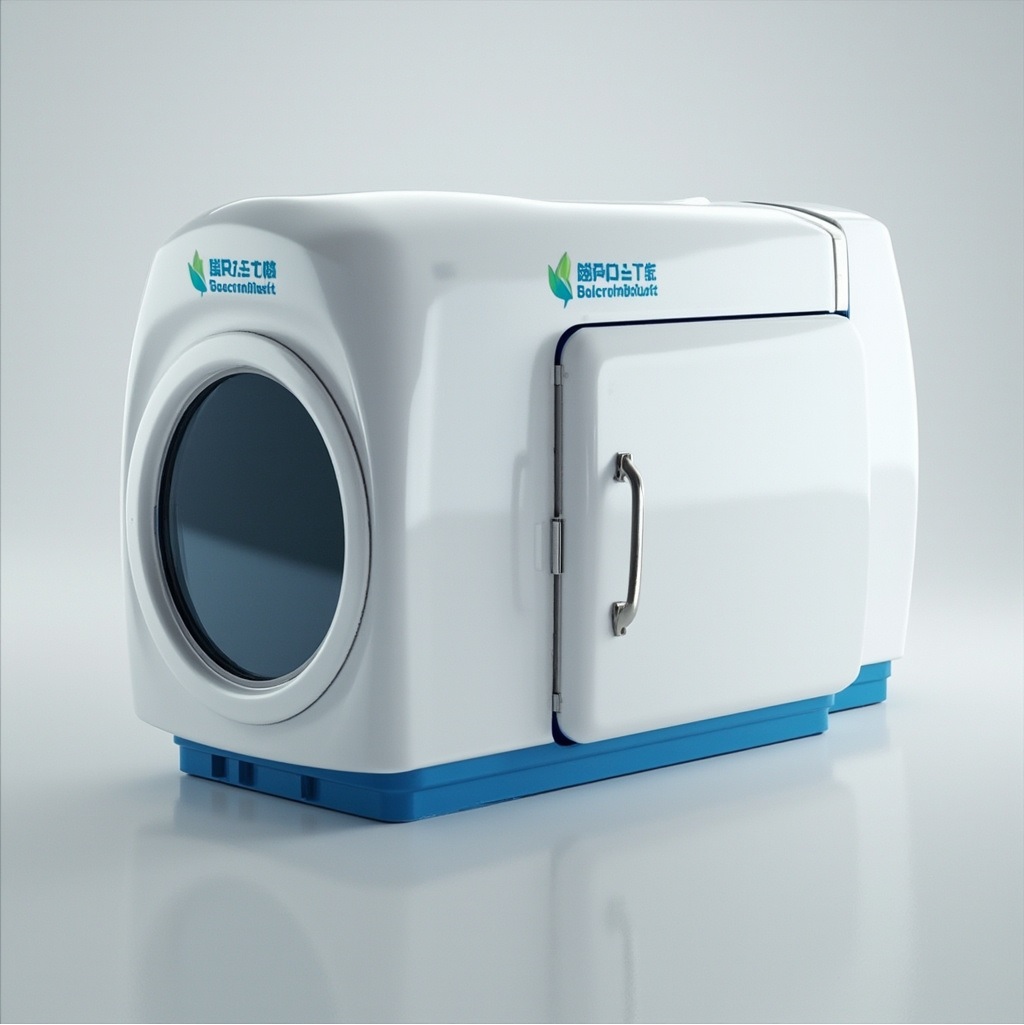
 Most people don’t think about the factory floor when they buy a hyperbaric chamber. They think about recovery, about oxygen, about feeling better. But the truth is, the difference between a chamber that works and a chamber that becomes an expensive piece of furniture in your guest room is often hidden in the years of hands-on manufacturing experience that went into building it. That’s where the VitaOxy story starts—not in a marketing meeting, but on a production line that has been running for nearly a decade.
Nine years isn’t just a number. In the world of mild hyperbaric chambers, it represents thousands of units tested, hundreds of design tweaks, and a deep understanding of what happens when pressure meets fabric. Early models from other makers had zippers that failed. Seams that leaked. Valves that stuck. VitaOxy didn’t skip that learning curve; they lived through it. Every weld, every stitch, every pressure gauge in the VitaOxy chamber carries the weight of those nine years. You can feel it in the solidness of the zipper track. You can see it in the way the fabric holds its shape after a hundred cycles.
Here’s what most people don’t realize: manufacturing expertise in this field isn’t about fancy robots or automated assembly lines. It’s about the guy who knows exactly how much tension to put on the zipper tape so it doesn’t warp after six months. It’s about the quality control check that catches a microscopic pinhole before the chamber ever gets boxed. It’s about the decision to use a thicker PVC blend because the thinner one saved two dollars but lost ten percent of durability. Those are the decisions that come from nine years of making mistakes and fixing them.
The VitaOxy Mild Hyperbaric Chamber isn’t trying to reinvent the wheel. It’s trying to make the wheel last longer, seal tighter, and operate more reliably than anything else in its class. And that’s a goal that only makes sense when you’ve spent nearly a decade actually building the things.
When you sit inside a VitaOxy chamber, you’re not just buying pressurized air. You’re buying the accumulated knowledge of a team that has watched what fails, what holds up, and what genuinely helps people recover. That’s the difference between a product and a piece of engineering history. And it’s why nine years of manufacturing expertise matters more than any spec sheet ever could.